



Submarines have long been the backbone of naval defense, providing stealth, endurance, and strategic capabilities in the world’s oceans. Traditional submarines rely heavily on diesel-electric engines, which require surfacing or snorkeling to recharge batteries. This limitation has driven the development of air independent propulsion (AIP) systems, a technology that allows submarines to operate underwater for extended periods without surfacing. In this article, we explore the concept of air independent propulsion, its types, advantages, challenges, and its impact on modern naval warfare.
What is Air Independent Propulsion?
Air independent propulsion refers to a technology that enables non-nuclear submarines to operate underwater without the need for atmospheric oxygen. Unlike conventional diesel-electric submarines that must surface frequently to run diesel engines and recharge batteries, AIP systems provide alternative power sources that allow continuous underwater operation. This capability significantly enhances a submarine’s stealth and endurance, making it harder to detect by enemy forces.
AIP systems are particularly useful in littoral waters, where submarines operate near coastlines and are more vulnerable to detection. By reducing the frequency of surfacing, submarines equipped with AIP can maintain longer patrols, conduct covert missions, and increase overall survivability.
Types of Air Independent Propulsion Systems
Several types of air independent propulsion systems have been developed over the years, each with its own advantages and operational limitations.
1. Fuel Cell-Based Air Independent Propulsion
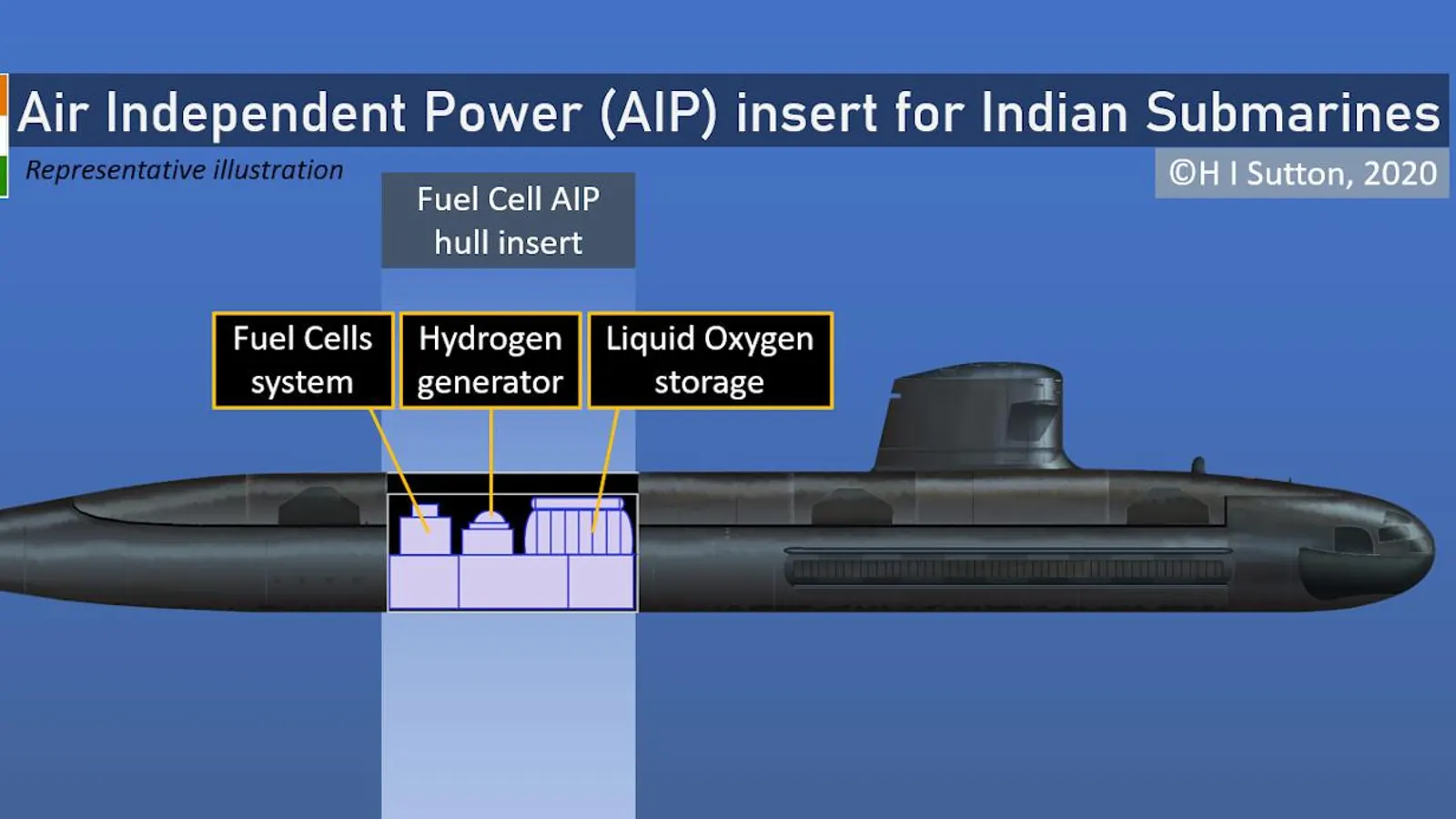
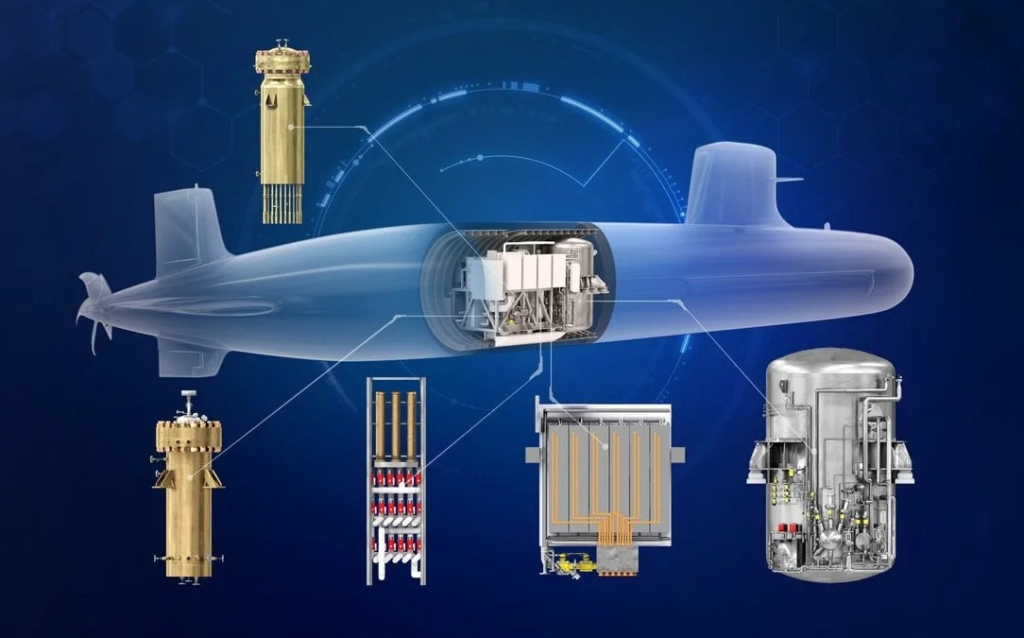
Fuel cell AIP systems use hydrogen and oxygen to produce electricity through an electrochemical reaction. The only byproduct of this process is water, making fuel cells extremely quiet and environmentally friendly. This system provides continuous power for submarines while significantly reducing acoustic signatures.
Fuel cell-based AIP is widely adopted in modern non-nuclear submarines, particularly in Europe and Asia. Its quiet operation and extended underwater endurance make it ideal for intelligence-gathering and special operations missions.
2. Stirling Engine Air Independent Propulsion
The Stirling engine, named after its Scottish inventor Robert Stirling, is an external combustion engine that operates by cyclic compression and expansion of a working fluid. In submarine applications, the Stirling engine uses liquid oxygen and diesel fuel to generate power while submerged.
Stirling engine AIP systems are known for their reliability and relatively simple mechanical design. However, their endurance is limited compared to fuel cells, and they require periodic refueling of liquid oxygen.
3. Closed-Cycle Diesel Engines
Closed-cycle diesel engines adapt traditional diesel technology for underwater use. In these systems, the exhaust gases are absorbed and stored in a chemical solution, allowing the engine to operate without atmospheric oxygen. Although this method provides significant power output, it is noisier than fuel cell or Stirling engine systems, which can compromise stealth.
4. Other Experimental Air Independent Propulsion Systems
Naval research continues to explore new AIP technologies, including lithium-based batteries, metal-air batteries, and advanced chemical energy systems. These experimental solutions aim to increase underwater endurance, reduce acoustic signatures, and improve overall operational flexibility for submarines.
Advantages of Air Independent Propulsion
The adoption of air independent propulsion has transformed modern submarine operations. Some of the key advantages include:
1. Enhanced Stealth
By minimizing the need to surface, submarines equipped with AIP systems reduce the risk of detection by radar, sonar, and visual observation. Fuel cell-based systems, in particular, are extremely quiet, making it difficult for enemy forces to detect and track submarines.
2. Extended Underwater Endurance
AIP systems allow non-nuclear submarines to remain submerged for weeks at a time, depending on the type of propulsion and fuel capacity. This extended endurance provides a tactical advantage during surveillance, reconnaissance, and strategic missions.
3. Reduced Operating Costs
Compared to nuclear-powered submarines, AIP-equipped diesel-electric submarines are more cost-effective to build and maintain. They require smaller crews and less complex infrastructure, making them an attractive option for smaller navies.
4. Operational Flexibility
AIP systems enable submarines to operate in littoral and shallow waters with higher efficiency. This capability is crucial for missions that require precision, such as intelligence gathering, mine-laying, and special forces deployment.
Challenges and Limitations of Air Independent Propulsion
Despite its advantages, air independent propulsion faces several operational and technical challenges.
1. Limited Speed
AIP systems generally provide lower power output compared to conventional diesel engines or nuclear reactors. As a result, submarines relying on AIP may have limited high-speed capabilities, especially during combat maneuvers.
2. Fuel and Oxygen Storage
Submarines using fuel cell or Stirling engine AIP systems require storage for liquid oxygen or hydrogen fuel. This storage occupies valuable space within the submarine and imposes logistical constraints on mission planning.
3. Technological Complexity
Advanced AIP systems, especially fuel cells, involve sophisticated technology that requires skilled maintenance and monitoring. Any failure in the system can compromise mission success and submarine safety.
4. Integration with Conventional Propulsion
AIP systems are often supplementary to conventional diesel-electric engines. Integrating these systems effectively requires careful engineering and planning to ensure smooth transitions between propulsion modes without compromising stealth or endurance.
Air Independent Propulsion in Modern Navies
Several countries have adopted air independent propulsion systems to enhance their non-nuclear submarine fleets.
Europe
European navies, particularly Germany and Sweden, have been at the forefront of AIP technology. Germany’s Type 212 and Type 214 submarines use fuel cell-based AIP systems, allowing weeks-long submerged operations with minimal acoustic signature. Sweden’s Gotland-class submarines utilize Stirling engine AIP, which has proven highly effective in littoral waters.
Asia
Asian navies, including Japan, South Korea, and China, have invested heavily in AIP-equipped submarines. Japan’s Soryu-class submarines use fuel cell-based AIP systems, while China has developed its own AIP technologies for Type 039A submarines. These advancements reflect a growing emphasis on stealth and endurance in regional maritime security strategies.
Other Regions
Smaller navies, such as those in South America and the Middle East, are exploring AIP systems as a cost-effective alternative to nuclear-powered submarines. AIP allows these countries to maintain credible underwater capabilities without the complexity and expense of nuclear technology.
Future Trends in Air Independent Propulsion
The future of air independent propulsion is closely tied to advancements in energy storage, fuel efficiency, and acoustic stealth. Some emerging trends include:
1. Advanced Fuel Cell Technology
Researchers are developing fuel cells with higher energy density, longer operational life, and improved safety. These advancements could allow submarines to operate submerged for even longer periods without refueling or surfacing.
2. Hybrid Propulsion Systems
Future submarines may combine multiple propulsion technologies, such as fuel cells, advanced batteries, and Stirling engines, to optimize endurance, speed, and stealth. Hybrid systems could offer unprecedented operational flexibility in diverse maritime environments.
3. Environmental Considerations
As navies aim to reduce their environmental footprint, AIP systems will play a crucial role in minimizing underwater emissions. Fuel cells and other low-noise, zero-emission technologies align with global efforts toward cleaner maritime operations.
4. Integration with Autonomous Submarines
The rise of unmanned underwater vehicles (UUVs) is likely to influence the development of AIP systems. Compact and efficient propulsion technologies will be critical for enabling long-duration autonomous missions, including surveillance, reconnaissance, and mine countermeasure operations.
Conclusion
Air independent propulsion represents a transformative leap in submarine technology. By enabling extended submerged operations without reliance on atmospheric oxygen, AIP systems enhance stealth, endurance, and operational flexibility. From fuel cells to Stirling engines, various AIP technologies offer unique advantages and trade-offs, shaping the future of naval warfare.
As navies continue to prioritize underwater capabilities, AIP-equipped submarines are set to play a pivotal role in strategic deterrence, maritime security, and special operations. The integration of advanced propulsion systems, hybrid technologies, and autonomous platforms ensures that the next generation of submarines will operate longer, quieter, and more efficiently than ever before.
For countries looking to maximize submarine effectiveness without the complexity of nuclear power, air independent propulsion provides a cost-effective, stealthy, and technologically advanced solution, securing dominance beneath the waves.
