



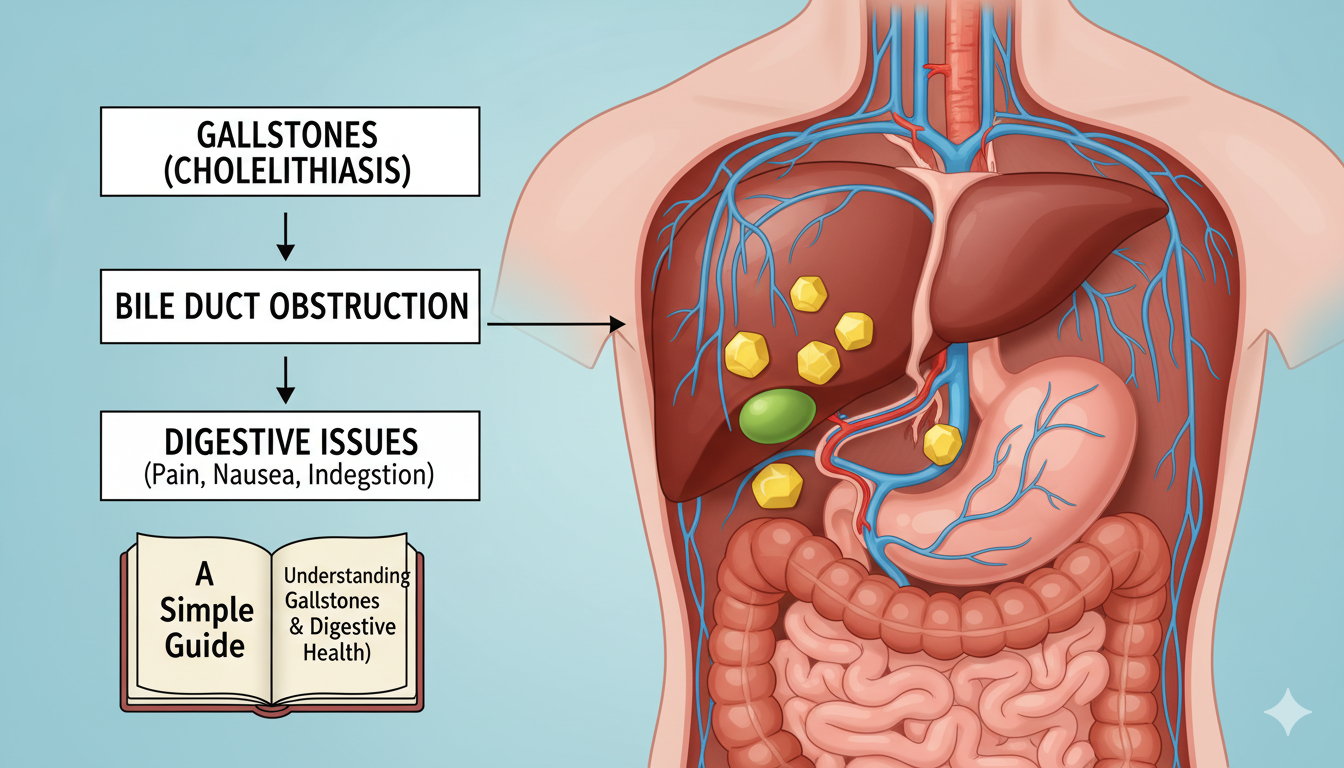
Have you ever felt a sharp pinch in your belly after eating a big, yummy meal? Sometimes, our bodies have a hard time breaking down certain fats. When this happens, tiny, pebble-like stones can form inside a small organ called the gallbladder. Doctors often refer to this condition as cholerhiasis. Think of your gallbladder like a little storage balloon that holds a green liquid called bile. Bile helps you digest pizza, burgers, and fries. If the liquid gets too thick, it turns into these little stones. While it sounds a bit scary, millions of people deal with this every single year.
Understanding cholerhiasis is the first step to feeling better. Most of the time, these stones just sit there and don’t cause any trouble at all. However, if a stone gets stuck in a tiny tube, it can cause a “gallbladder attack.” This is your body’s way of saying, “Hey, I need some help over here!” Learning about why these stones form can help you make better choices for your tummy health. It is all about balance and making sure your liver and gallbladder are working together like a perfect team.
Quick Facts: A Simple Biography of the Condition
| Feature | Details |
| Common Name | Gallstones |
| Main Location | Gallbladder and Bile Ducts |
| Main Cause | Too much cholesterol or pigment in bile |
| Typical Size | From a grain of sand to a golf ball |
| Common Symptoms | Right-side belly pain, nausea, bloating |
| Detection Method | Ultrasound or CT Scan |
| Best Prevention | High-fiber diet and staying active |
Why Do These Tiny Stones Form?
Your body is like a very busy factory. The liver makes bile, and the gallbladder stores it until you eat. Cholerhiasis happens when the ingredients in that bile get out of whack. Imagine making chocolate milk, but you add way too much powder. The powder won’t dissolve and will settle at the bottom in clumps. That is exactly how stones form! Usually, it is because there is too much cholesterol. Sometimes, it is because the gallbladder doesn’t empty out as fast as it should.
Recognizing the Signs of a Problem
How do you know if you have cholerhiasis? Most people don’t feel anything at first. But if a stone moves, you might feel a sudden ache in your upper right abdomen. It might even feel like the pain is traveling to your shoulder or back. Some people feel very full or bloated even if they only ate a little bit. If you feel sick to your stomach or start throwing any food back up, it is a sign that a stone might be causing a temporary “traffic jam” in your digestive pipes.
Who is Most Likely to Get Them?
Anyone can develop cholerhiasis, but some people have a higher chance. It often runs in families, so if your parents had them, you might too. People who are over age 40 or those who love eating lots of fried snacks are more likely to see these stones. Also, losing weight very quickly can sometimes trick the liver into making extra cholesterol, which leads to stone formation. It is important to stay hydrated and keep a steady, healthy weight to keep your gallbladder happy and quiet.
Foods That Help Your Gallbladder
Eating the right stuff is like giving your gallbladder a big hug. To prevent cholerhiasis, you should try to eat plenty of fiber. This includes things like crunchy apples, colorful carrots, and beans. Fiber acts like a broom that sweeps through your system. Healthy fats, like the ones found in fish or avocados, are much easier on your body than the heavy fats found in donuts or deep-fried chicken. Drinking lots of water every day also helps keep your bile thin and flowing smoothly.
What Happens During a Doctor Visit?
If your belly hurts, a doctor will want to take a look inside. They usually use a tool called an ultrasound. It uses sound waves to take a picture of your organs, just like seeing a baby before it is born! It doesn’t hurt at all. The doctor will look for the shadows of cholerhiasis on the screen. If they find stones, they will talk to you about the best plan. Sometimes they suggest waiting to see if the stones stay quiet, or they might suggest a simple fix if the pain keeps coming back.
Can Lifestyle Changes Make a Difference?
Yes, they definitely can! Moving your body is one of the best ways to stop cholerhiasis from getting worse. Even a 20-minute walk after dinner can help your digestion stay on track. Exercise helps your body manage cholesterol levels so they don’t turn into stones. Also, try to eat smaller meals more often rather than one giant feast. This keeps the gallbladder working at a nice, steady pace instead of forcing it to work overtime all at once.
Common Myths About Gallstones
Many people think that cholerhiasis only happens to people who are unhealthy, but that isn’t true! Even very fit athletes can get them if it’s in their DNA. Another myth is that you have to stop eating all fat forever. Your body actually needs some healthy fats to make the gallbladder squeeze and stay active. If you stop eating fat completely, the bile just sits there and is more likely to turn into a stone. It is all about picking the right kinds of fats.
How the Body Works Without a Gallbladder
If cholerhiasis becomes too painful, a doctor might remove the gallbladder. You might wonder, “Can I live without it?” The answer is yes! Your liver will still make bile, but instead of being stored in a pouch, it will drip slowly into your intestines. Most people feel much better after the surgery and can eat normally after a short recovery. Your body is very smart and learns how to adjust its “plumbing” to keep you healthy and energized.
When Should You Seek Extra Help?
While most cases of cholerhiasis are mild, some need quick attention. If you notice your skin or the whites of your eyes look a bit yellow, that is called jaundice. This means a stone is blocking the bile from leaving the liver. High fevers or shaking chills along with belly pain are also signs that you should see a medical professional right away. It is always better to be safe and get a check-up if your body feels like something is wrong.
Staying Positive and Healthy
Living with cholerhiasis doesn’t have to be a big deal. Many people have stones for their whole lives and never even know it! By eating lots of veggies, staying active, and listening to your body, you can live a long and happy life. Just remember to be kind to your stomach. Avoid the “yo-yo” diets and focus on feeling good every day. Your gallbladder is just one small part of your amazing body, and taking care of it is a great way to show yourself some love.
Conclusion
In the end, cholerhiasis is just a fancy word for a very common tummy issue. By understanding how these little stones form and what signs to look out for, you are already ahead of the game. Stick to high-fiber foods, keep moving, and talk to a doctor if you feel persistent pain. Your health is your greatest wealth, and a happy gallbladder means a much happier you! Why not start today by adding a piece of fruit to your lunch?
Frequently Asked Questions
1. Can kids get cholerhiasis?
It is very rare for young children to get them, but it can happen, especially if it runs in the family or if they have other health issues. Usually, it is something that happens as people get older.
2. Do gallstones ever just melt away on their own?
Most of the time, they do not go away by themselves. However, if they are very small and made of cholesterol, some special medicines might help, but this takes a long time and doesn’t always work.
3. Is the pain from cholerhiasis always on the right side?
Most of the time, yes. It usually stays in the upper right part of the belly. However, sometimes the pain can feel like it is in the middle of the stomach or even move up toward the chest.
4. Can I eat spicy food if I have these stones?
Spicy food doesn’t directly cause cholerhiasis, but it can make your stomach feel irritated if you are already having an attack. It is best to stick to mild foods until you feel better.
5. Does drinking apple juice cure gallstones?
Some people talk about “flushes” with juice, but there is no scientific proof that this works. The best way to stay healthy is to follow a balanced diet and listen to real medical advice.
