



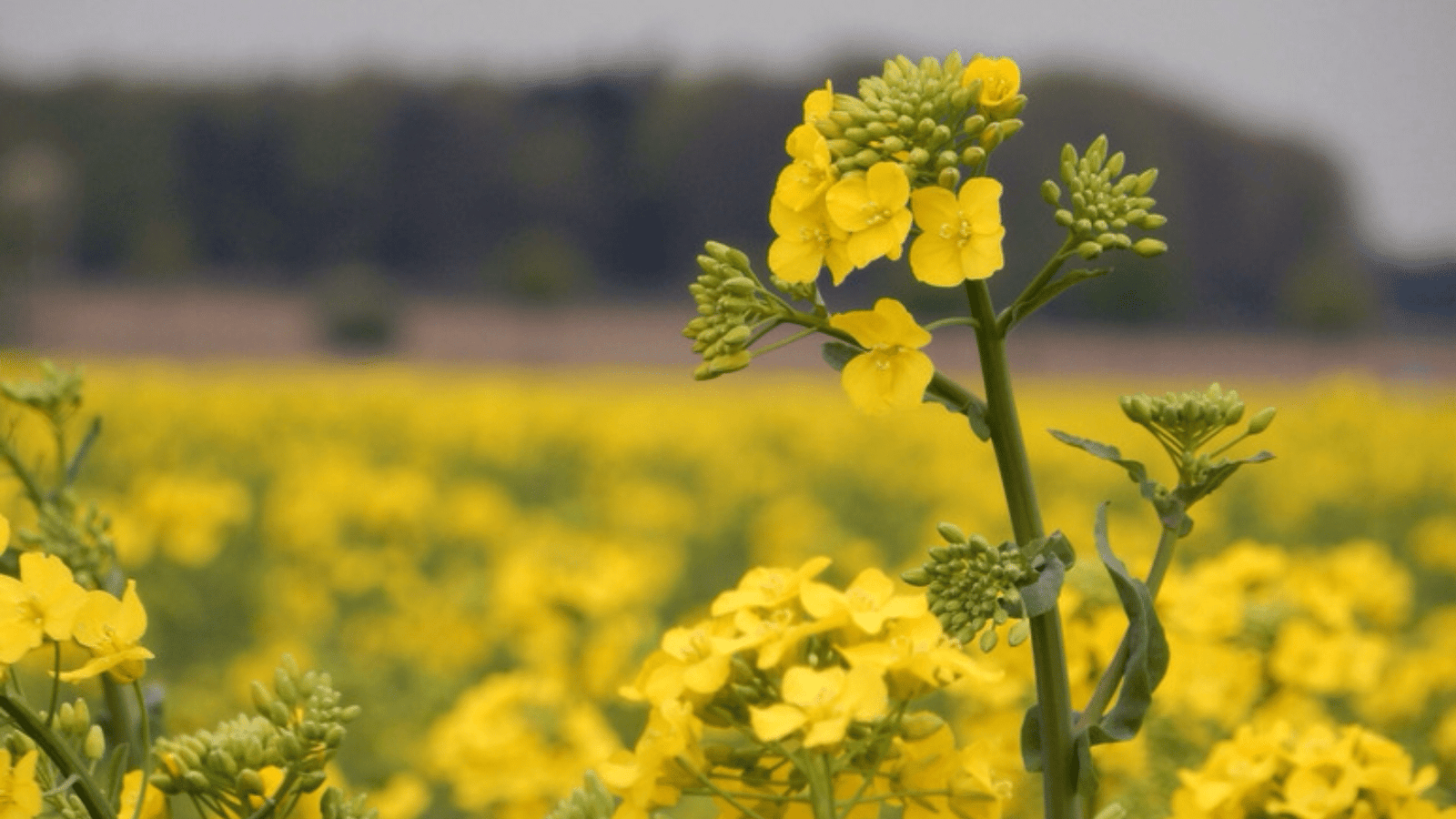
The mustard see- tree is a fascinating plant known for its historical, agricultural, medicinal, and symbolic importance. Despite the name, many people are surprised to learn that the mustard plant is typically grown as a fast-growing shrub rather than a massive tree. However, in certain regions and favorable climates, the mustard seed plant can grow large enough to resemble a small tree.
including its types, growing conditions, health benefits, uses in cooking, cultural symbolism, and frequently asked questions. If you are searching for reliable, detailed, and easy-to-understand information, this article covers it all.
What Is a Mustard Seed Tree?
The term mustard seedtree commonly refers to tall-growing mustard plants, especially Black Mustard, which can grow up to 8–10 feet under ideal conditions. While botanically classified as an herbaceous plant, its height and branching structure sometimes give it a tree-like appearance.
Mustard plants belong to the Brassicaceae family, which also includes cabbage, broccoli, and kale. The plant produces small round seeds that are widely used as a spice and for oil extraction.
Key Characteristics of the Mustard SeedTree
- Fast-growing annual plant
- Can reach heights of 6–10 feet
- Produces yellow flowers
- Develops seed pods containing mustard seeds
- Thrives in temperate climates
Although it is not a traditional tree with woody bark and a long lifespan, the mustard seedtree is widely recognized for its impressive growth from a tiny seed.
Types of Mustard Seed Tree Varieties
There are three primary types of mustard plants that are often associated with the mustard seed tree concept:
1. Black Mustard
- Tallest growing variety
- Strong, pungent flavor
- Historically cultivated in the Mediterranean region
2. White Mustard
- Milder flavor
- Yellowish seeds
- Commonly used in American mustard condiments
3. Brown Mustard
- Medium height
- Popular in Asian cuisine
- Used for Dijon-style mustard
Each variety of the mustard seedtree offers unique flavors, growth habits, and uses.
How the Mustard Seed Tree Grows
One of the most remarkable aspects of the mustard seed ree is how quickly it grows. From seed to full maturity, the process typically takes 80–95 days.
Growth Stages of the Mustard SeedTree
- Seed Germination – Begins within 5–10 days
- Leaf Development – Rapid early growth
- Flowering Stage – Bright yellow flowers appear
- Seed Pod Formation – Pods develop after pollination
- Harvest Stage – Seeds mature and dry
Mustard plants require:
- Full sunlight
- Well-drained soil
- Moderate watering
- Mild to warm temperatures
Because of its adaptability, the mustard seedtree is grown worldwide in Asia, Europe, North America, and Africa.
Historical and Religious Significance of the Mustard Seed Tree
The mustard seedtree holds deep symbolic meaning in Christianity. It is famously referenced in the Gospel of Matthew (Matthew 13:31–32), where it represents faith and growth.
In the parable, the mustard seed is described as the smallest seed that grows into a large plant where birds can rest in its branches. This symbolism highlights:
- Growth from small beginnings
- The power of faith
- Spiritual expansion
Beyond religious contexts, ancient civilizations valued mustard plants for their medicinal and culinary uses.
Health Benefits of the Mustard SeedTree
The seeds and leaves of the mustard seed tree offer several health benefits.
1. Rich in Nutrients
Mustard seeds contain:
- Selenium
- Magnesium
- Omega-3 fatty acids
- Antioxidants
2. Supports Digestion
Mustard seeds stimulate digestive enzymes, improving gut health and metabolism.
3. Anti-Inflammatory Properties
Compounds in mustard seeds may help reduce inflammation in the body.
4. Heart Health Support
The presence of healthy fats and minerals contributes to cardiovascular wellness.
5. Skin and Hair Benefits
Mustard oil, extracted from seeds, is commonly used for:
- Scalp massage
- Skin nourishment
- Muscle relaxation
These benefits make the mustard seed tree an important plant in traditional medicine systems.
Culinary Uses of the Mustard Seed Tree
The mustard seed tree is highly valued in global cuisine.
Common Culinary Uses:
- Spice seasoning
- Mustard sauce preparation
- Pickling agent
- Oil extraction
- Curry tempering
In Indian, Pakistani, and Middle Eastern kitchens, mustard seeds are often heated in oil to release aroma before adding vegetables or lentils.
Mustard paste is also a base ingredient in many sauces and dressings worldwide.
How to Grow a Mustard Seed Tree at Home
Growing a mustard seed tree in your garden is simple and rewarding.
Step-by-Step Guide:
- Choose a sunny location
- Prepare loose, fertile soil
- Sow seeds ½ inch deep
- Water gently but regularly
- Thin seedlings after sprouting
- Harvest seeds when pods turn brown
Mustard plants are low-maintenance and suitable for beginner gardeners.
Common Problems
- Aphids
- Fungal leaf spots
- Overwatering
Proper care ensures healthy growth and maximum yield.
Mustard Seed Tree vs. Mustard Plant: Is There a Difference?
Botanically speaking, the mustard seed tree is not technically a tree. It is classified as an annual herb. However, when fully grown, especially black mustard, it can appear tree-like due to:
- Height
- Branching structure
- Dense foliage
The term “mustard seed tree” is more symbolic and descriptive rather than strictly scientific.
Economic Importance of the Mustard Seed Tree
Mustard cultivation contributes significantly to agricultural economies.
Major producing countries include:
- India
- Canada
- Nepal
- Russia
Mustard oil production supports farmers and the food processing industry. Additionally, mustard greens are sold as leafy vegetables in many markets.
Environmental Benefits of the Mustard Seed Tree
The mustard seed tree also supports environmental sustainability.
- Improves soil health
- Acts as a cover crop
- Prevents soil erosion
- Attracts pollinators
Farmers often plant mustard as a rotation crop to enhance soil fertility.
Frequently Asked Questions About Mustard Seed Tree
Is the mustard seed tree really a tree?
No, it is technically a fast-growing herbaceous plant.
How tall can a mustard seed tree grow?
Under ideal conditions, up to 10 feet.
How long does it take to grow?
Approximately 3 months from seed to harvest.
Can I grow it in pots?
Yes, dwarf varieties can be grown in containers.
Is mustard seed tree good for health?
Yes, its seeds and leaves offer multiple nutritional benefits.
Final Thoughts on the Mustard Seed Tree
The mustard seed tree is much more than just a spice plant. It represents growth, resilience, and nourishment. From its religious symbolism to its culinary and medicinal applications, this plant continues to play an important role in cultures around the world.
Whether you are a gardener, health enthusiast, or simply curious about plant life, understanding the mustard seed tree provides valuable insights into how something so small can grow into something truly remarkable.
If you are considering growing mustard at home or incorporating mustard seeds into your diet, this versatile plant is a wonderful choice.
