



In recent years, ear seeds have gained popularity as a natural wellness technique. People interested in holistic health, acupuncture, and stress relief are increasingly curious about this non-invasive therapy. But what are ear seeds exactly, and how do they work? This article delves deep into everything you need to know about ear seeds—from their origins to practical usage and safety considerations.
Understanding What Are Ear Seeds
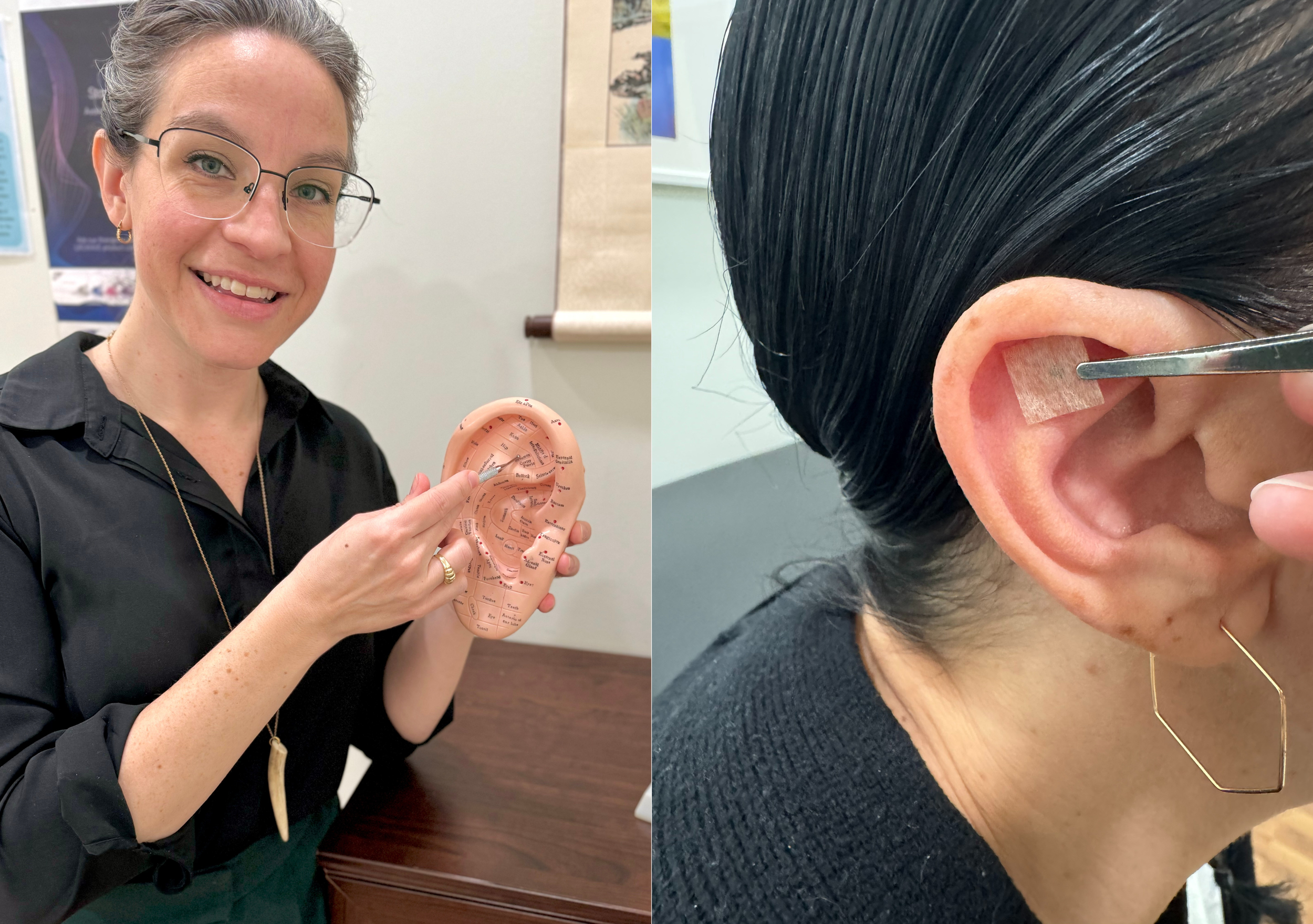
At their core, ear seeds are tiny seeds or beads used in auriculotherapy, a form of acupuncture focused on the ear. Typically, seeds from the Vaccaria plant or small metal beads are placed on specific points on the ear. Unlike traditional acupuncture, ear seeds do not require needles, making them accessible to those who are hesitant about puncturing the skin.
Auriculotherapy is based on the idea that the ear is a microsystem of the entire body. This means that pressing on certain points of the ear can influence physical, emotional, and mental health. Practitioners use ear seeds to target conditions such as stress, anxiety, pain, and even digestive issues.
The History Behind Ear Seeds
To fully understand what are ear seeds, it’s helpful to look at their history. Ear acupuncture dates back thousands of years, with roots in Traditional Chinese Medicine (TCM). Ancient Chinese healers observed that specific points on the ear corresponded to organs and bodily systems.
In the 1950s, French physician Dr. Paul Nogier expanded on these ideas and formalized auriculotherapy. He mapped out the ear as an “inverted fetus,” where each part of the ear represents a different part of the body. Modern ear seed therapy stems directly from these principles, combining TCM wisdom with practical non-invasive techniques.what are ear seeds
How Ear Seeds Work
The effectiveness of ear seeds lies in acupressure stimulation. Once placed on targeted points, they provide continuous gentle pressure. This pressure is believed to influence the nervous system, helping to regulate the body’s responses to stress, pain, and other conditions.
Ear seeds are typically worn for several days, allowing consistent stimulation without the need for repeated visits to a practitioner. Many people gently press the seeds themselves a few times per day to enhance the effect.what are ear seeds
Common Uses of Ear Seeds
Stress and Anxiety Relief
One of the primary reasons people ask what are ear seeds is their use for emotional wellness. Ear seeds can stimulate points associated with calming the mind, reducing stress hormones, and promoting relaxation.
Pain Management
Ear seeds are sometimes applied to alleviate chronic pain. Points targeting headaches, joint pain, or back pain can be stimulated using ear seeds, providing a non-drug alternative for pain relief.what are ear seeds
Weight Loss Support
Some wellness programs use ear seeds to help with appetite control and metabolism. By stimulating hunger-related points, ear seeds may reduce cravings and support healthy eating habits.
Sleep Improvement
Insomnia and poor sleep quality are common complaints. Ear seeds can be placed on points believed to enhance relaxation and improve sleep cycles.what are ear seeds
Digestive Health
Certain points on the ear correspond to digestive organs. Using ear seeds to stimulate these points may help with bloating, constipation, and other digestive concerns.what are ear seeds
Types of Ear Seeds
Knowing what are ear seeds also involves understanding the different types. The most common varieties include:
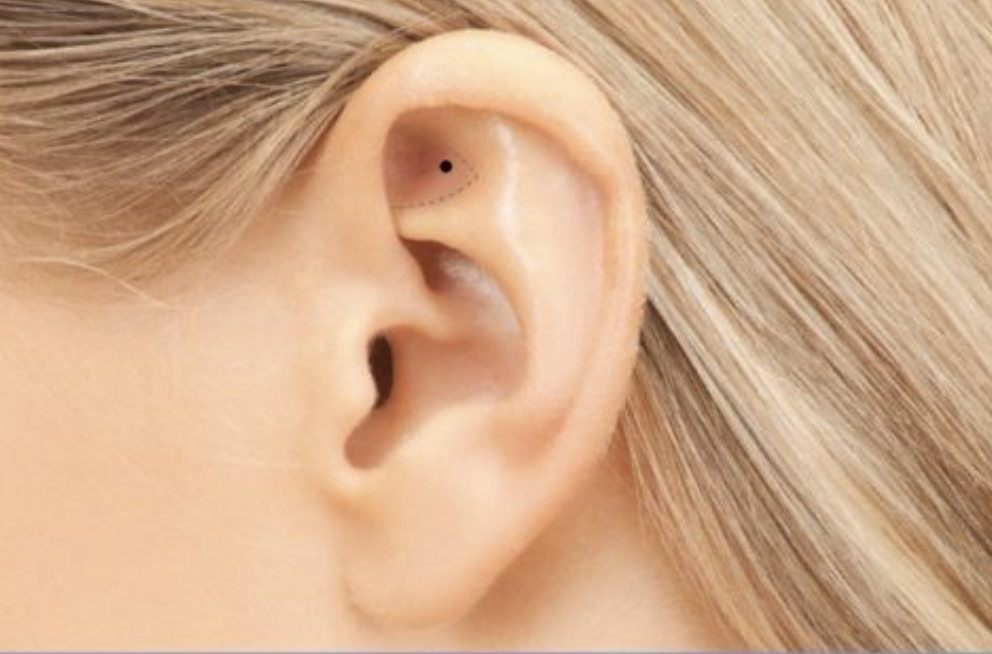
- Vaccaria Seeds: Natural seeds that stick to the ear with adhesive tape. They are small, light, and gentle.what are ear seeds
- Metal Beads: Tiny magnetic or stainless steel beads that provide stronger pressure. They can be used with adhesive tape or tiny ear clips.
- Magnetic Ear Seeds: Designed to enhance acupressure through magnetic stimulation.
Each type has its unique benefits, and a practitioner may choose one based on your needs.
How to Apply Ear Seeds
Applying ear seeds is relatively simple but requires precision for best results. Here’s a step-by-step guide:
- Clean the ear: Ensure the ear is free from oils and dirt.
- Identify points: Use an auriculotherapy chart or consult a professional to locate points specific to your concern.
- Apply seeds: Place a tiny adhesive seed or bead on each point.
- Press gently: Lightly massage each seed several times a day.
- Leave in place: Seeds can stay on the ear for 3–7 days, depending on the practitioner’s guidance.what are ear seeds
Safety Considerations
Although generally safe, it’s important to know potential risks:
- Skin irritation: Adhesive or seed material can sometimes cause minor irritation.
- Dislodging: Ear seeds can fall off during sleep or showering.
- Medical conditions: People with severe skin conditions or infections should consult a healthcare provider before use.
Ear Seeds vs. Traditional Acupuncture
A common question is how ear seeds compare to acupuncture. Both methods stimulate points on the ear, but there are key differences:what are ear seeds
- Non-invasive: Ear seeds do not pierce the skin.
- Continuous stimulation: Ear seeds provide constant pressure, whereas acupuncture needles are temporary.
- Ease of use: Ear seeds can be applied at home, while acupuncture generally requires a trained practitioner.
Research on Ear Seeds
Scientific research on what are ear seeds is still developing. Some studies suggest ear seeds can help with:what are ear seeds
- Reducing anxiety and stress
- Supporting smoking cessation
- Assisting with weight management
- Alleviating mild pain
However, experts emphasize that ear seeds are most effective as part of a holistic wellness plan rather than a standalone treatment.
Tips for Maximizing Ear Seed Benefits
- Consistency: Press seeds gently multiple times a day.
- Monitor reactions: Remove if irritation occurs.
- Combine with other therapies: Meditation, breathing exercises, and lifestyle changes can enhance results.
- Professional guidance: While home use is possible, consulting an auriculotherapy practitioner can ensure proper placement.
DIY Ear Seeds vs. Professional Application
Many wellness enthusiasts ask if they can apply ear seeds themselves. While DIY application is possible, professional application ensures accuracy. Incorrect placement may reduce effectiveness or cause discomfort. Beginners can start with a practitioner session and then maintain seeds at home.
Who Can Benefit from Ear Seeds?
Ear seeds are suitable for most adults looking for non-invasive wellness support. People who may benefit include:
- Those experiencing mild anxiety or stress
- Individuals seeking natural pain relief
- People aiming to improve sleep quality
- Anyone interested in holistic health and natural therapies
However, ear seeds are not recommended as a replacement for professional medical treatment for serious conditions.
Frequently Asked Questions About Ear Seeds
Q: How long do ear seeds stay effective?
A: Typically, seeds are worn for 3–7 days. Gentle pressing during this time can enhance effectiveness.
Q: Can children use ear seeds?
A: Yes, but only under adult supervision and with smaller, gentle seeds.
Q: Are there side effects?
A: Side effects are rare but may include mild irritation or tenderness.
Q: Can I sleep with ear seeds?
A: Yes, but it’s recommended to press gently and avoid rough handling during sleep.
Conclusion: Understanding the Value of Ear Seeds
So, what are ear seeds? They are a simple, non-invasive way to support physical and emotional well-being through auriculotherapy. From stress relief to pain management, sleep improvement, and digestive support, ear seeds provide a gentle form of acupressure that fits easily into daily life.
While more research is needed, many people find ear seeds a valuable tool in holistic health practices. By understanding their uses, proper application, and safety considerations, anyone can explore this traditional technique with confidence.
Ear seeds are more than just tiny beads—they are a bridge between ancient wisdom and modern wellness, offering a natural, convenient way to enhance your overall health.
